Japan – a country full of contrasts, where modern megacities and tranquil temple worlds are just a train ride apart. After our first trip two years ago, one thing was clear: we would be back. This time, we wanted to experience the country even more intensely – by train, with a teenager and with a great deal of curiosity.
For three weeks, our route took us from Tokyo via Kyoto to the southern island of Kyūshū. We discovered new favorite places, collected Goshuin stamps, sampled sushi, ramen, and okonomiyaki – and learned that spontaneity is sometimes the best travel plan in Japan.
The first part of this series covers Tokyo, Kyoto, and Kyūshū – the first ten days of our trip.
Part 2 will follow with Onomichi, the Shimanami Kaido, Osaka, Expo 2025, and our spiritual conclusion on the Kumano Kodo pilgrimage route.
This post provides an initial overview of our route and experiences.
In the coming weeks, I will publish more blog posts in which I will go into more detail about individual places, accommodations, culinary tips, and travel planning. So it’s worth staying tuned—Japan still has many stories to tell.
Arriving in Tokio
After a long flight via Bangkok, we finally reached Tokyo—this city that never sleeps, yet offers moments of tranquility in every corner. We took the Skyliner to Nippori, where our charming Hotel Wagokoro awaited us. The rooms are small (especially for three people ;-), but very clean and equipped with everything you need. There is also a small common room with a kitchen, so you can cook for yourself if you want. (Tip: Nippori is also home to Tokyo’s Fabric Town – if you would like a separate blog post about this, please let us know in the comments).
Our first stop: the small sushi restaurant Kurosawa, where communication in English was a bit improvised, but the food was all the better for it. That evening, we felt like we had really arrived in Japan and felt very welcome.
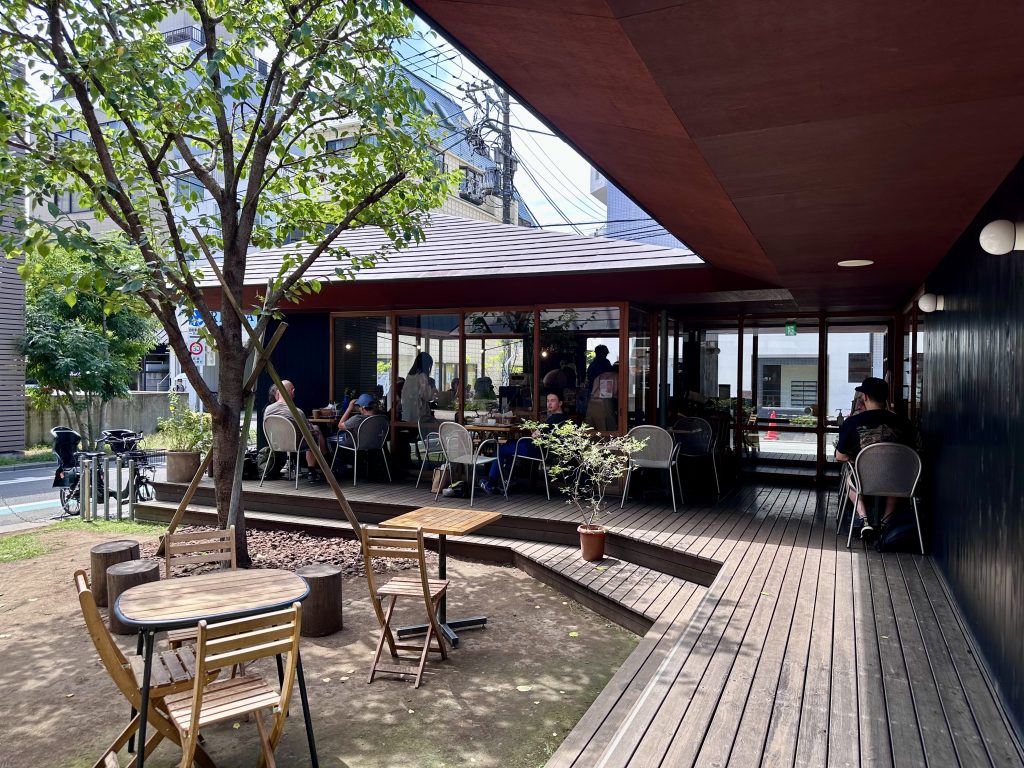
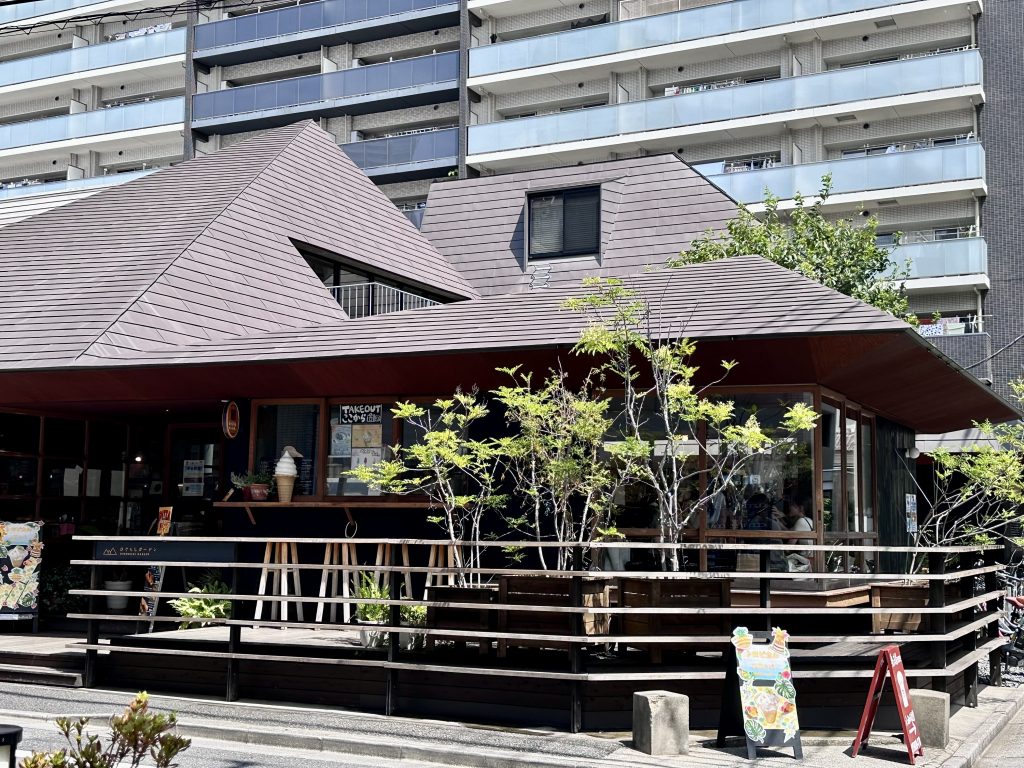
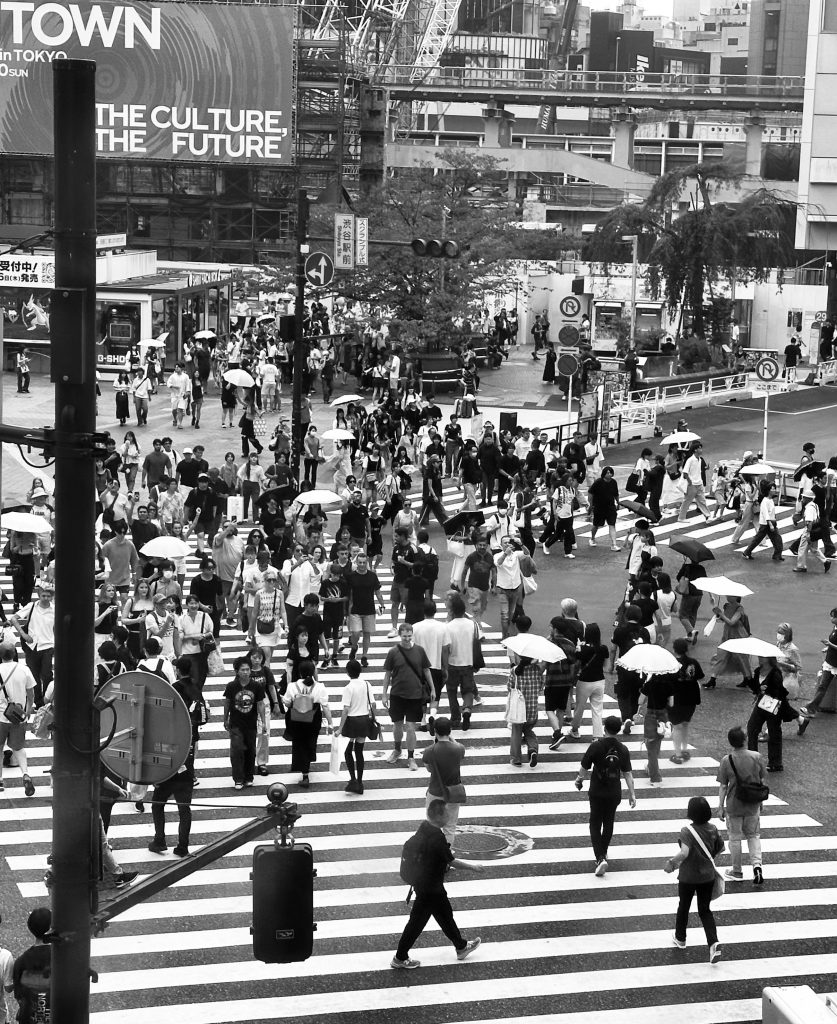
The next morning, we started off leisurely with cappuccino and croissants at Higurashi Bakery, one of our favorite places from last time. Then we immersed ourselves in city life: Shibuya Crossing, the constant bustle of people, neon lights, music—pure Tokyo. From our window seats at Starbucks, we watched the colorful hustle and bustle before visiting the exhibition “Hokusai – Another Story.” It was a nice, quiet contrast to the hustle and bustle outside.
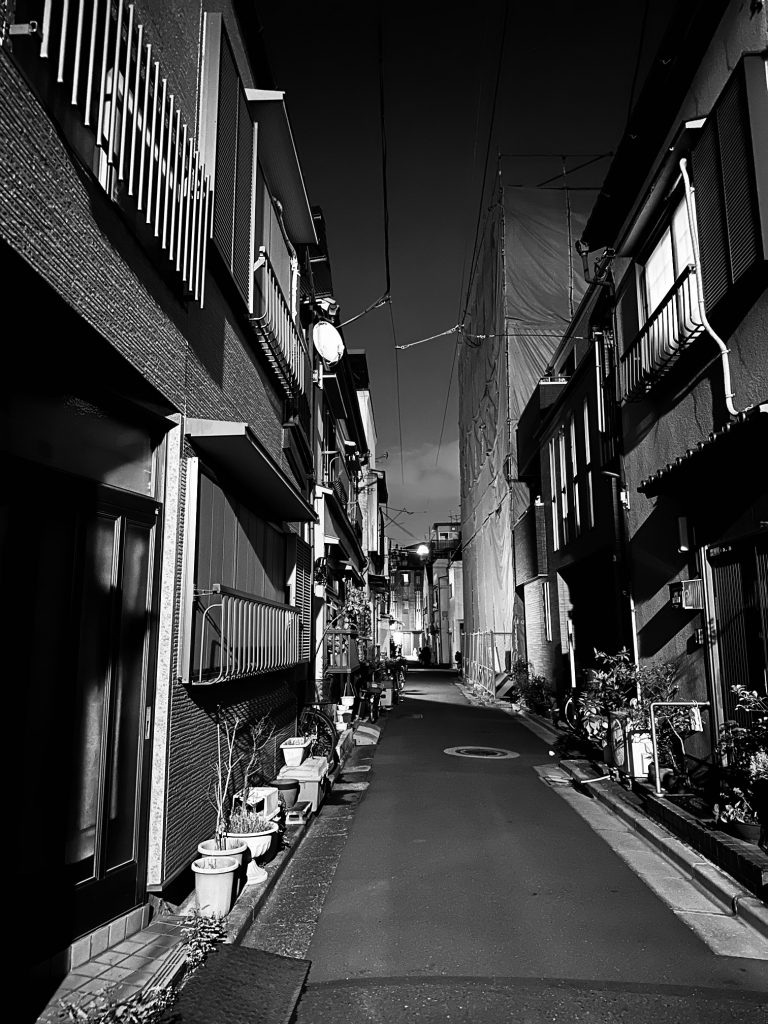
In the evening, we discovered Ebisu, where small restaurants are lined up close together. We ended up in a tiny restaurant with an exclusively Japanese menu—a real adventure and more than delicious. But beware—many isakayas only allow entry to those aged 21 and over, which is important to know when traveling with children.
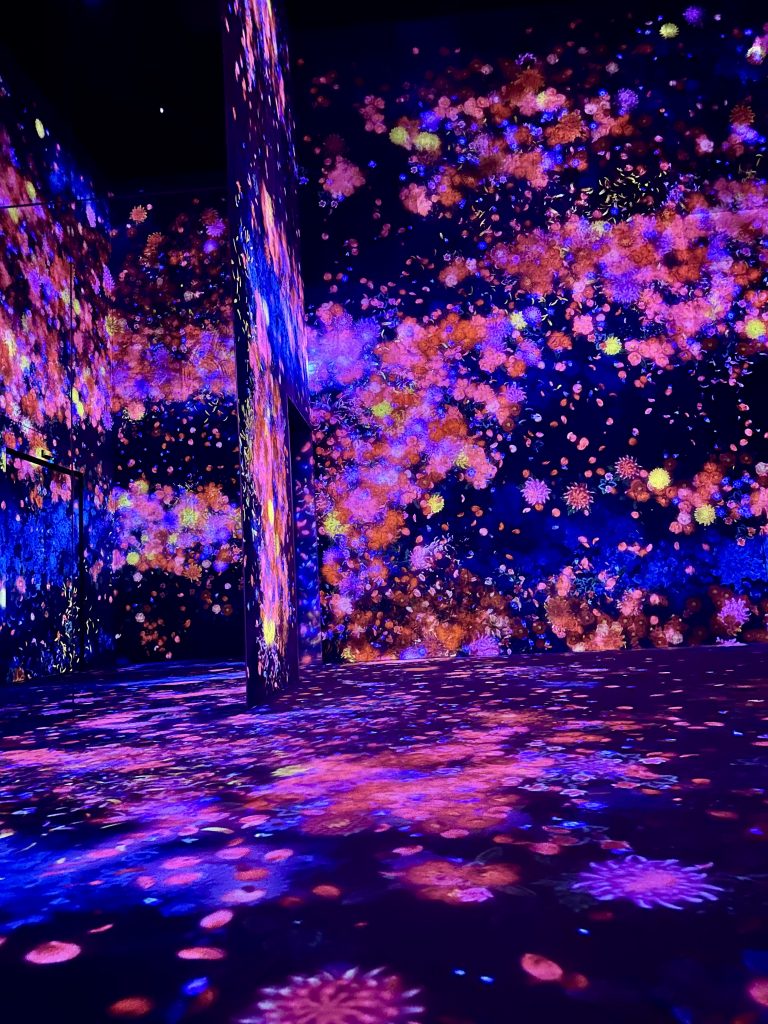
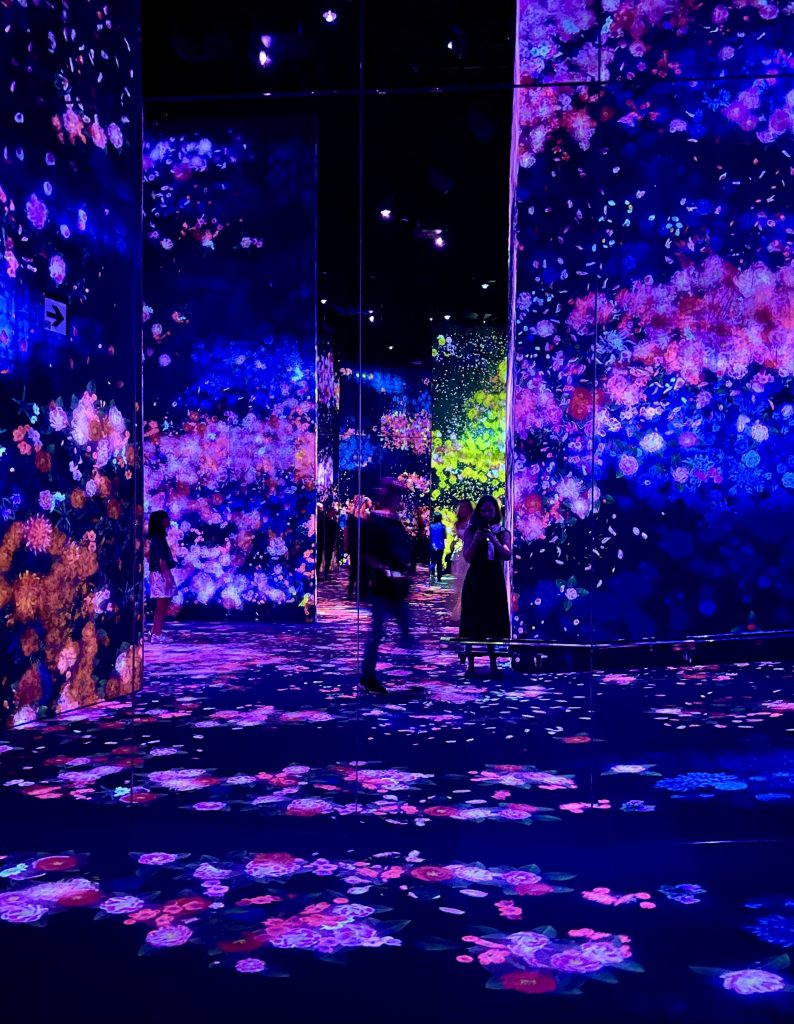
Our second day in Tokyo was all about art and views. First, we visited the Tokyo Tower, which towers over the city in bright red. The view didn’t reach as far as Mount Fuji, but it was still impressive – a sea of buildings stretching to the horizon. Afterwards, we visited teamLab in the Mori Art Building, an interactive art museum that we had fond memories of from our last trip. Our son really wanted to go back – last time it was teamLab Planets, this time its counterpart in the Mori Building. And this time it was just as magical: light, movement, and sound merge into a world you can totally immerse yourself in.
Tip: It’s best to reserve tickets for teamLab from home – it can get really crowded, especially on weekends.
Kyoto – temples, alleyways, and culinary discoveries
We were supposed to continue our journey by train to Fukuoka on Kyushu the next day, but heavy rain brought the Shinkansen to a standstill. So we spontaneously decided on Plan B: Kyoto!
And that turned out to be a stroke of luck – we found a great room at the Kyoto Hot Spring Hatoya, which even included an upgrade and our own onsen in the hotel’s attic.
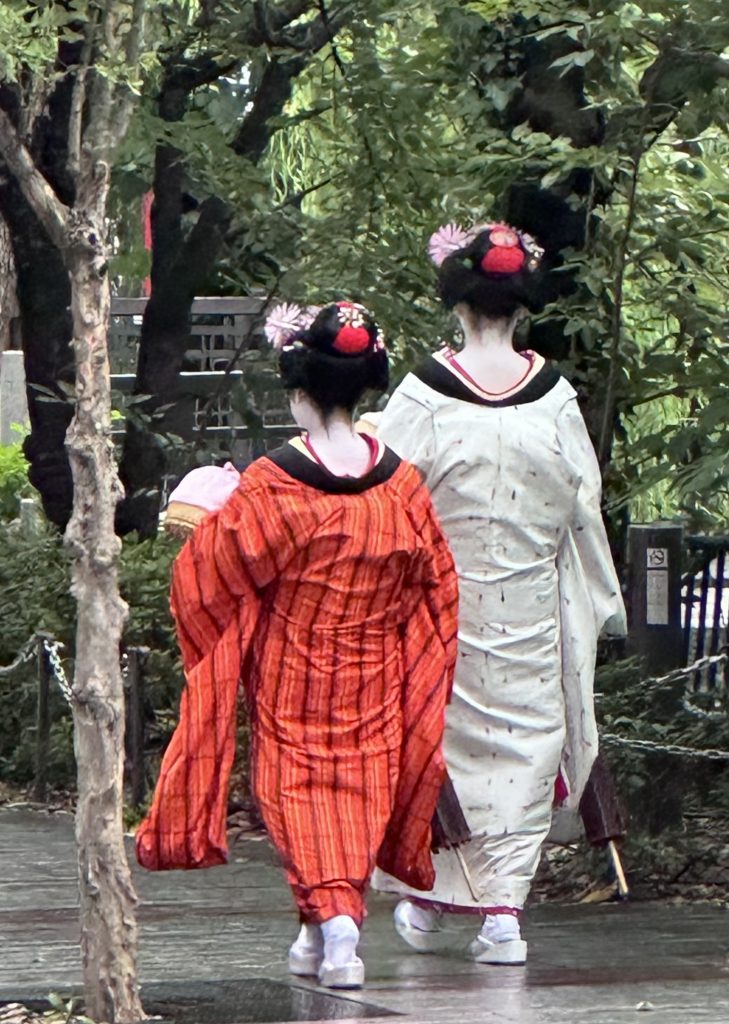
Kyoto welcomed us with its special magic: Pontocho Alley at night, Gion with its old wooden houses, temple visits, and delicious food galore.
I especially remember the gyoza variations, spicy dandan noodles, and a homemade okonomiyaki in a tiny restaurant where an elderly lady served us with a warm smile.
The next morning, I ventured into the onsen for the first time—a new experience, calm, mindful, and relaxing. After that, the day began with culture:
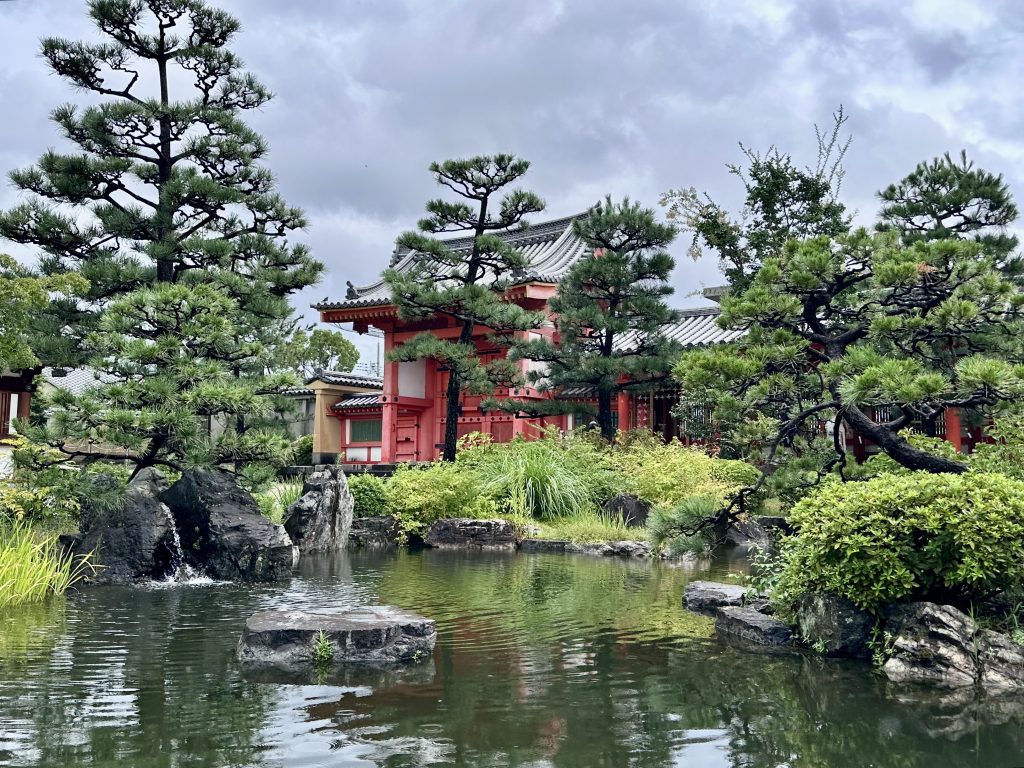
- Sanjūsangen-dō with its thousand Buddha statues,
- Kiyomizu-dera with its spectacular view over the city,
- Ryōan-ji with its famous Zen rock garden, and
- Ginkaku-ji, the Silver Pavilion, including a walk along the Philosopher’s Path.
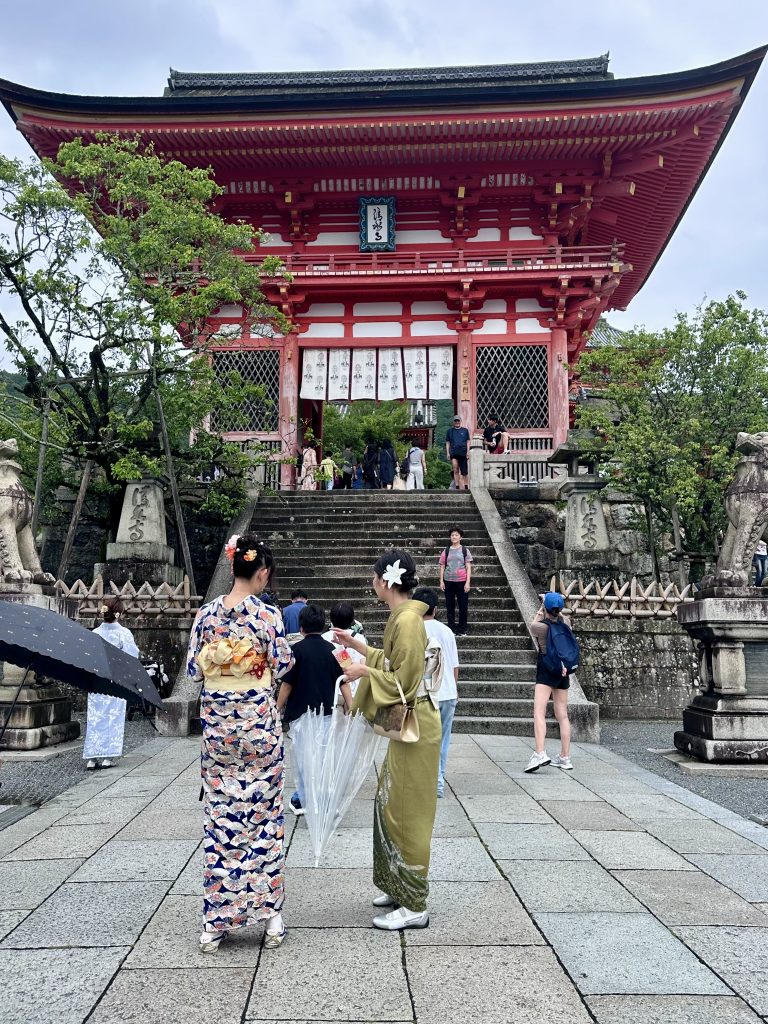
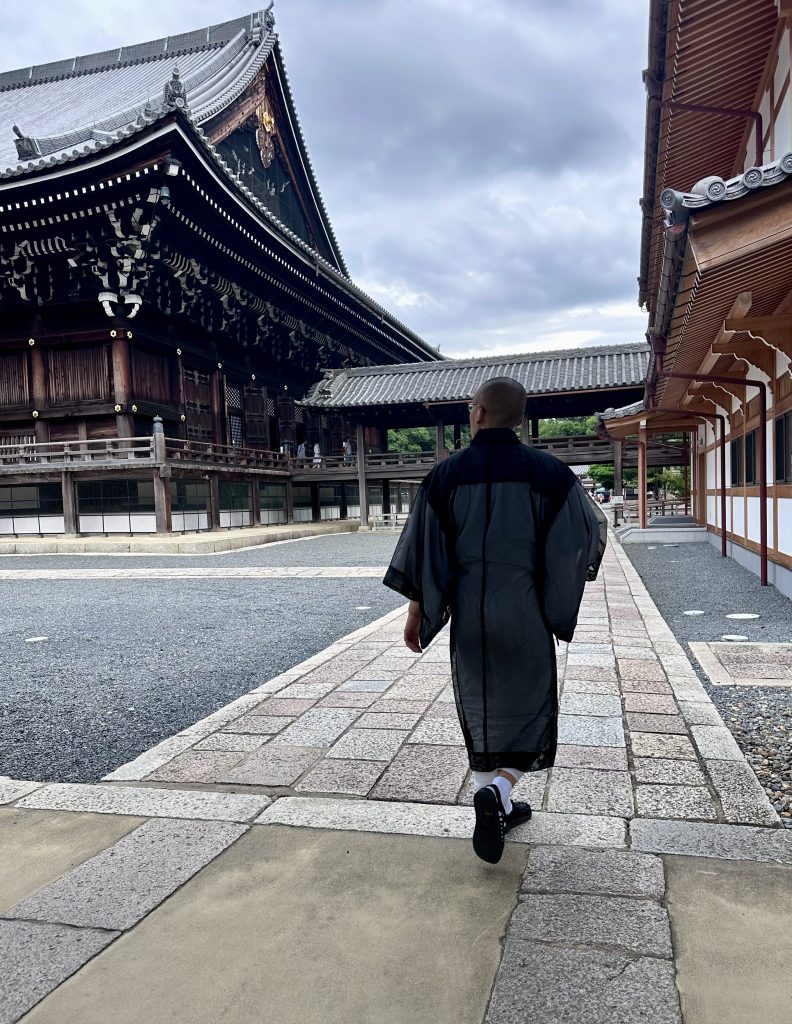
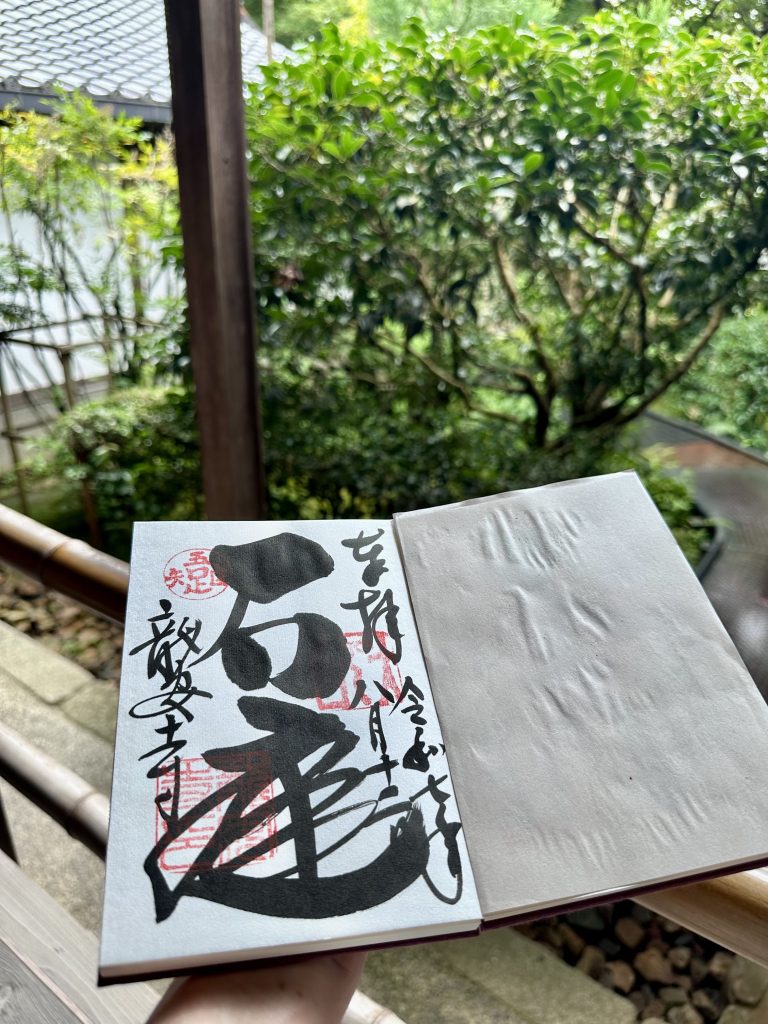
Along the way, our goshuin books filled up with artistic calligraphy—a beautiful reminder of each temple visit.
Tip: Teenagers are easily enthusiastic about Kyoto when you combine culture with small rewards: matcha ice cream, shaved ice, or a tea experience often work wonders. Our son also had a lot of fun collecting the goshuins – and was encouraged to visit numerous temples 😉
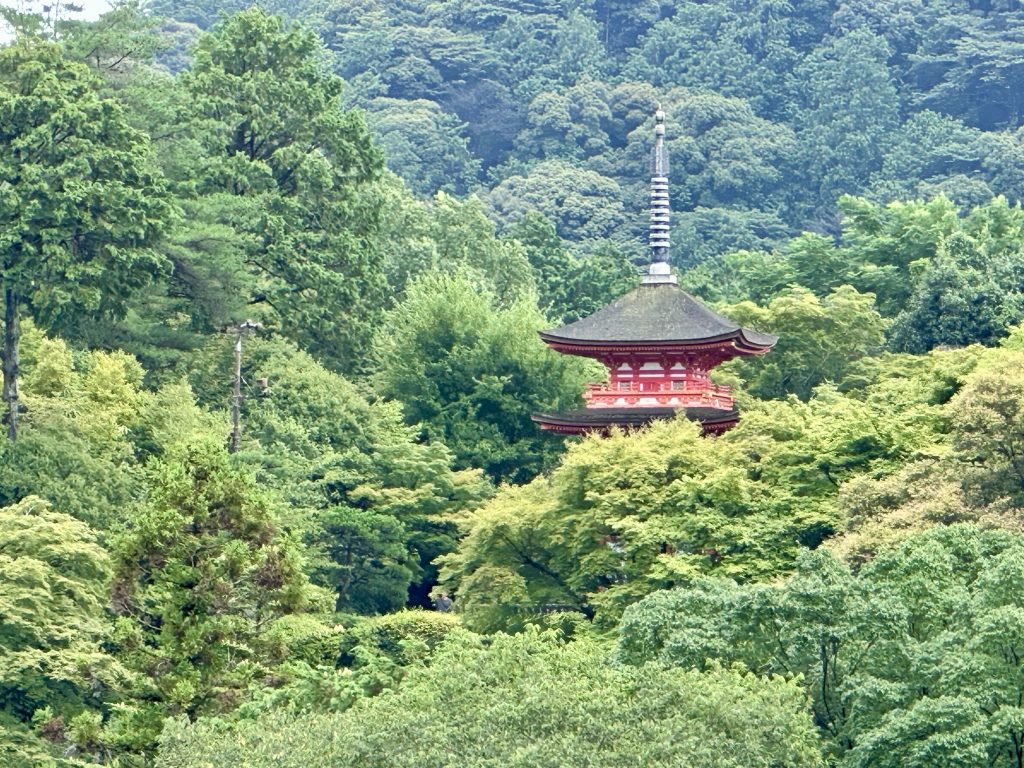
Kyūshū – Nagasaki & Kumamoto
After days filled with history and temples, our journey took us on to Nagasaki. Even upon arrival, it felt different—quieter, less touristy, more relaxed.
Our accommodation, the Candeo Hotels Nagasaki Shinchi Chinatown, was centrally located and, with its rooftop onsen, offered the perfect balance to the many impressions of the day. From here, it was only a short walk to Shinchi Chinatown, where we strolled through narrow alleys, drank cold drinks, and enjoyed ice cream at a café by the harbor. It was especially nice to sit outside in the evening and soak up the maritime atmosphere.
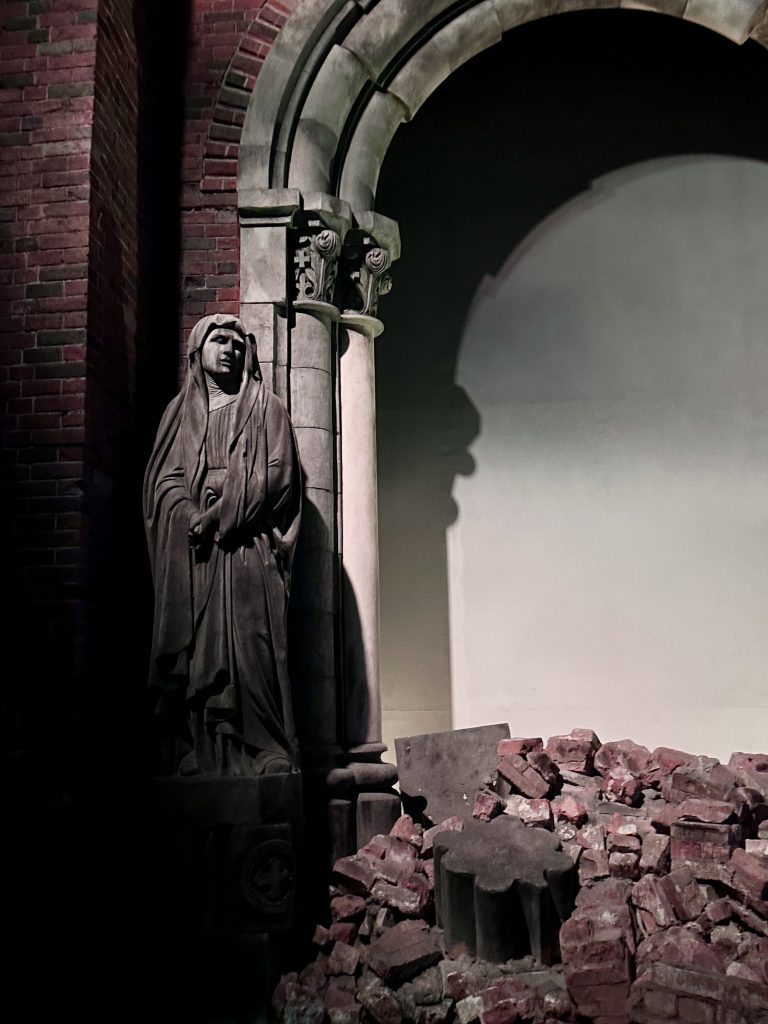
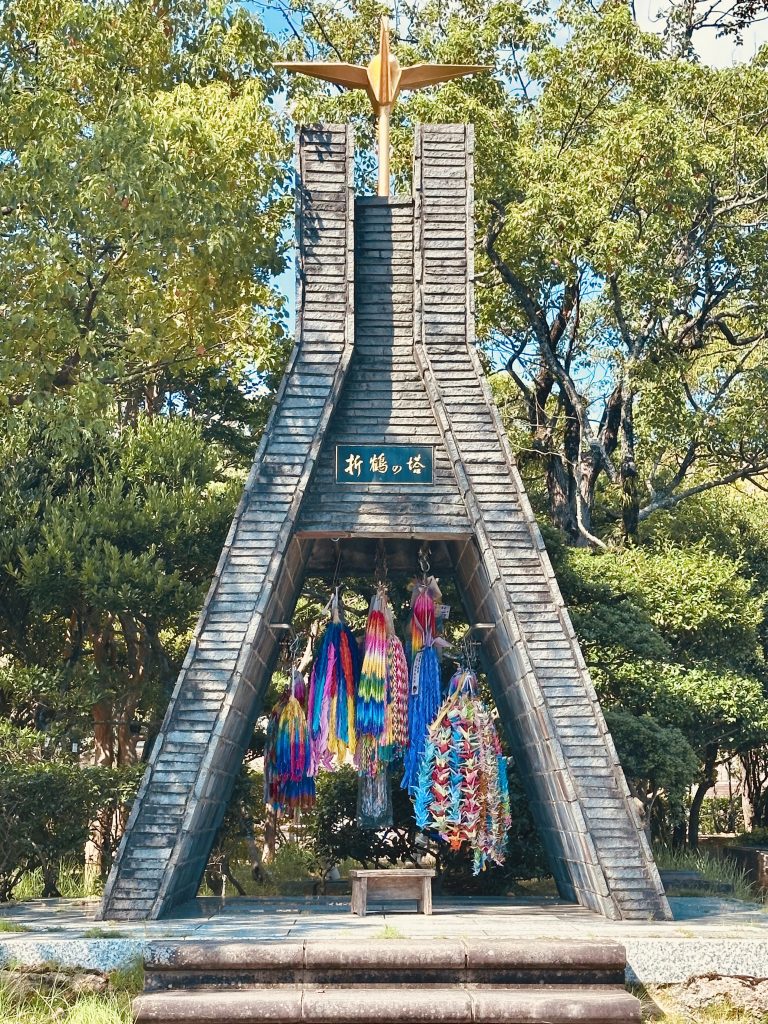
A historical highlight was the visit to the Atomic Bomb Museum and Peace Park – places that are deeply moving and at the same time convey hope. Particularly touching was the symbol of the thousand origami cranes, one of which each visitor was allowed to take home. Afterwards, we continued on to Clover Garden, where we tried local specialties such as butaman – steamed dumplings that are a must in Nagasaki.
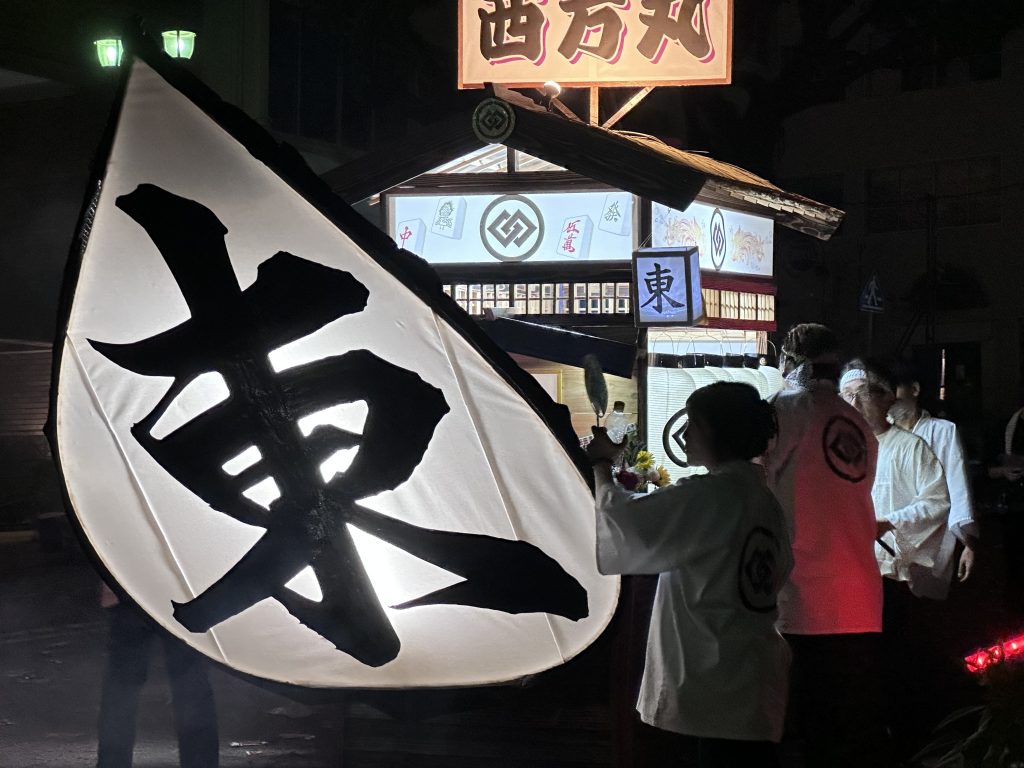
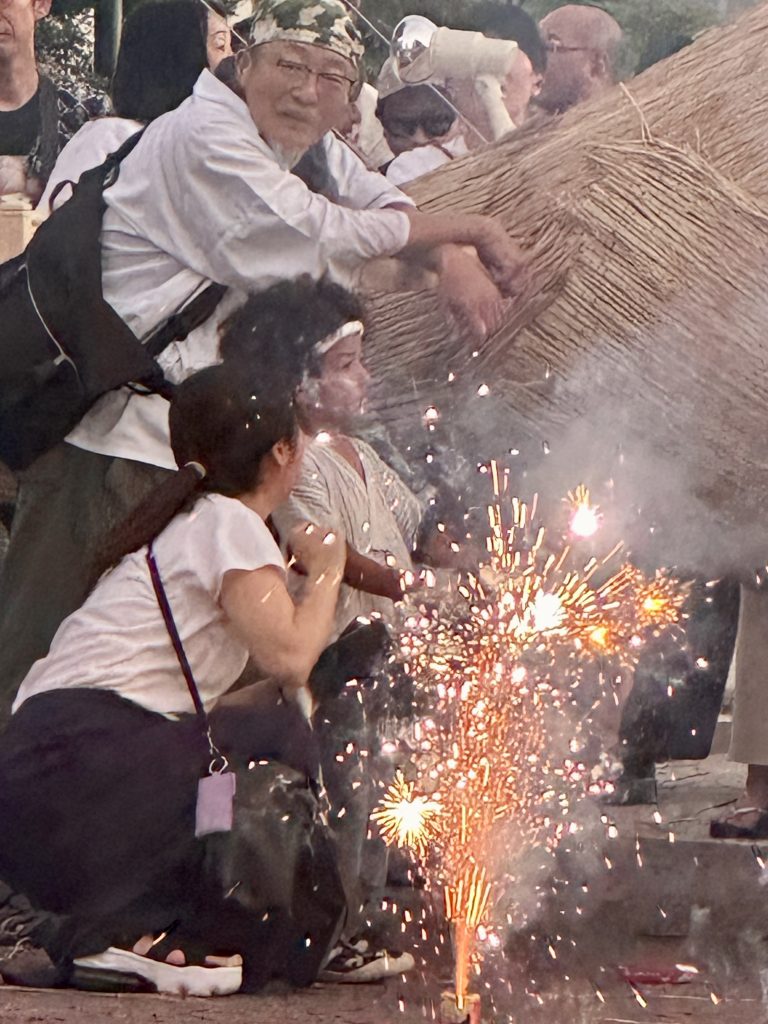
The traditional Shōrōnagashi Festival, which takes place every August, was a special experience. People commemorate their deceased loved ones by carrying decorated boats through the streets—accompanied by loud bangs, music, and colorful lights. It was impressive, emotional, and a real piece of Japanese culture that we were able to experience up close.
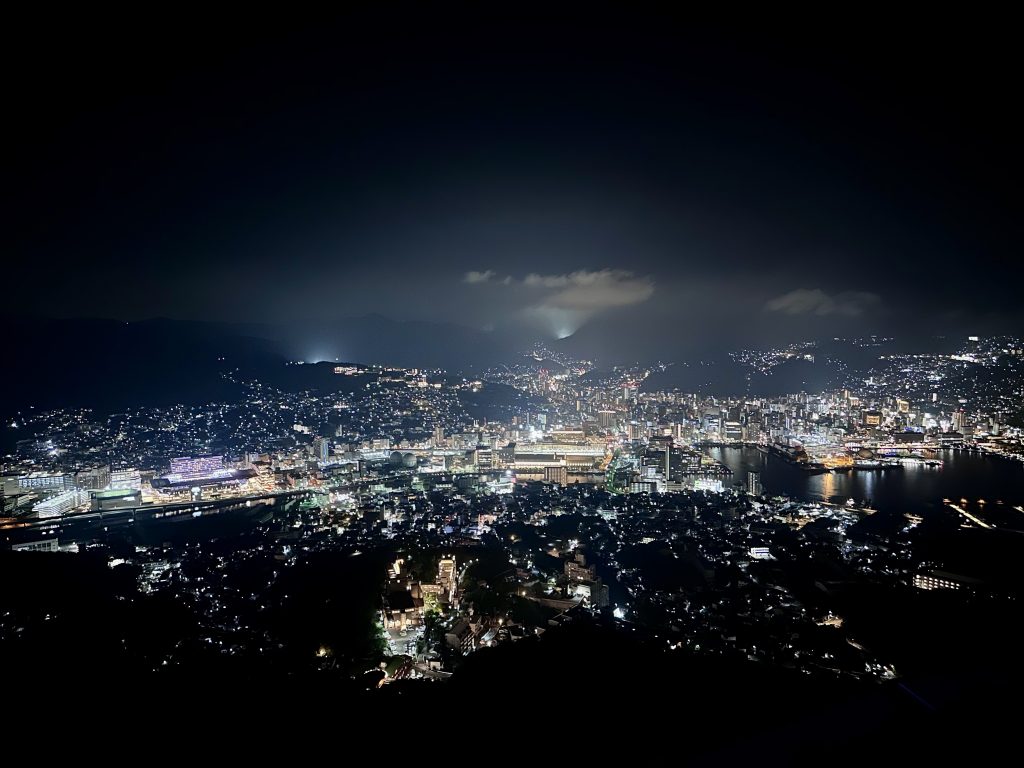
At the end of the day, we took the cable car up to Inasayama. From up there, we had a spectacular view of the illuminated city—one of the three most beautiful night views in the world.
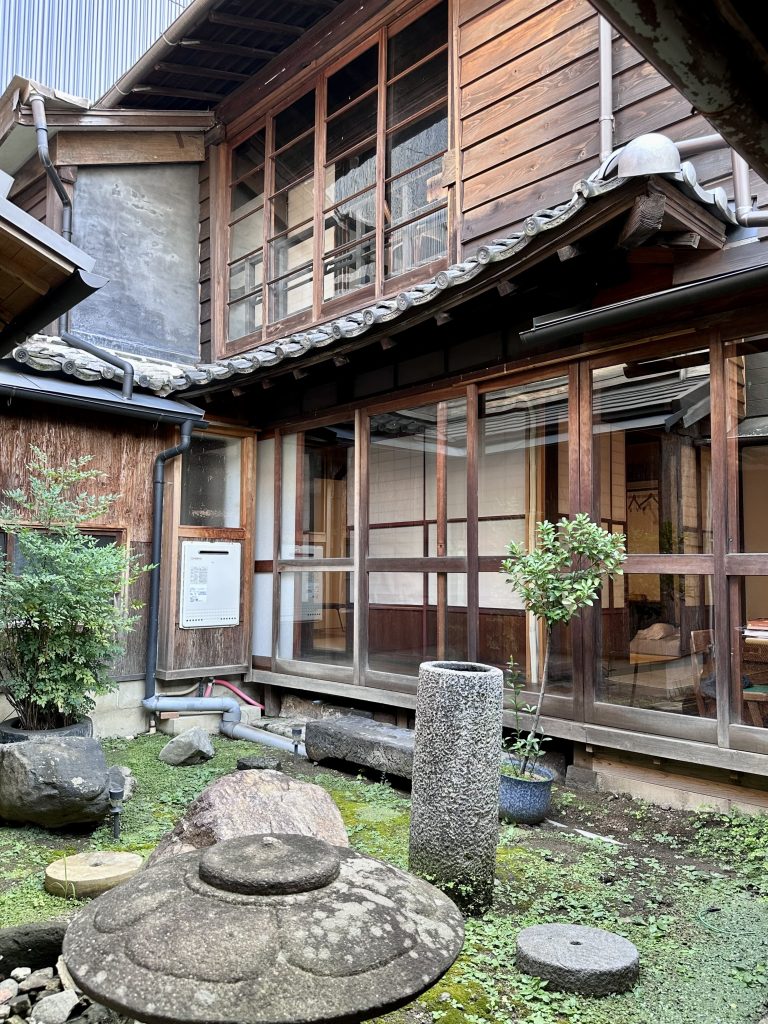
The next day, we traveled on to Kumamoto. Our first impression: lively streets, cozy cafés, and a city steeped in history. Our home for two nights was a charming Airbnb in a traditional Japanese house, with tatami mats, sliding doors, and a character all its own—a wonderful contrast to the modern hotels we had stayed in before.
We visited the imposing Kumamoto Castle, strolled through the peaceful Suizenji Jōjuen Park, and treated ourselves to delicious cream puffs at the bakery. The trip to the active volcano Mt. Aso was particularly impressive. We were lucky—the crater was open, and the combination of sulfur fumes, wind, and sweeping views was simply overwhelming.
At the end of the day, we found a little gem: the Tesuita yakiniku restaurant. It didn’t have an English menu, but the food was fantastic – from sea urchin pudding to fish carpaccio to perfectly grilled beef. It was an evening we will remember for a long time to come.
Tip: For rural areas such as those around Mt. Aso, renting a car is definitely worthwhile – it offers maximum flexibility and access to remote highlights. However, you should always keep an eye on opening hours, weather, and road conditions.
Conclusion to Part 1
From the neon lights of Tokyo to the quiet temples of Kyoto and the peaceful moments on Kyūshū – the first half of our journey showed us the full diversity of Japan.
In the second part, we continue with Onomichi, the Shimanami Kaido cycle tour, Expo 2025 in Osaka, and the spiritual conclusion on the Kumano Kodo pilgrimage route.