Ad | Review copy of Pattern Cutting Deconstructed provided by Laurence King
Monisola Omotoso · Laurence King, 2025 · ISBN 978-1-529-43098-1
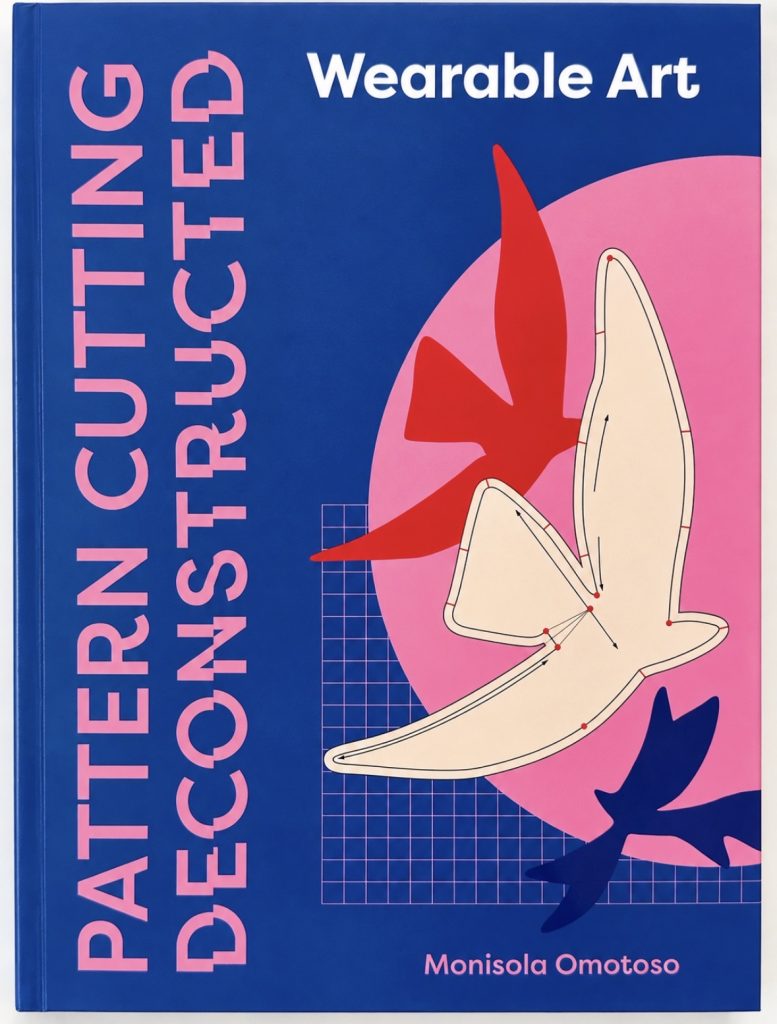
Pattern Cutting Deconstructed by Monisola Omotoso caught my attention right away. Fashion is a form of art anyway, and as Omotoso shows in her foreword, fashion has looked to art again and again. The first name that comes to my mind is Issey Miyake, whom she mentions too. There is a second line that is close to my heart: I am an architect. Drawing a pattern for a three-dimensional dress is a bit like drawing plans for a three-dimensional house. The design process is similar, too. Art in the narrow sense is, to begin with, free of purpose and stands for itself. Architecture and fashion also have a purpose, but not only that: the result is meant to move people.
I haven’t sewn anything from the book yet. This is my impression after a first read.
More than a reference
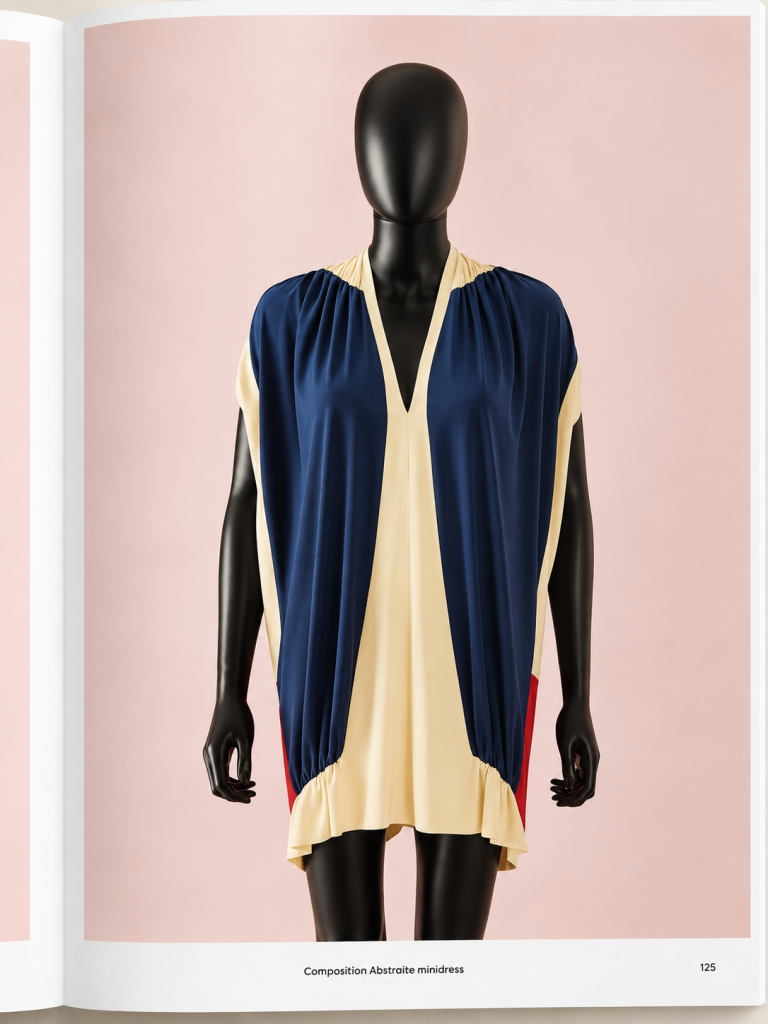
In her introduction, Omotoso points to designers who collaborated with artists or developed fabrics inspired by a painting, among them Louis Vuitton, Phoebe Philo for Celine and Viktor & Rolf. Her own approach goes a step further. The artwork is not quoted, it becomes the garment. Omotoso’s approach lifts an artwork from the flat surface into space: the paintings turn almost directly into dresses. The shapes of abstract, geometric paintings become, more or less directly, pattern pieces, draped on the dress form. The result is conceptual and still wearable. The starting point is the artwork, translated into pattern pieces and adapted to the body’s measurements. That is a different route from most pattern books.
How Pattern Cutting Deconstructed is built
After an introduction to the concept and its historical references, each artist gets a chapter of their own, with two to three artworks turned into garments. Apart from two pieces where the painting served only as inspiration, every work is divided into its individual shapes. Each project offers two ways of working, depending on your skills: one using the pattern only, for those who can work from patterns but don’t drape, and one with draping. Colour reference codes matching each artwork are included, along with fabric suggestions. All measurements are given in cm and inches.
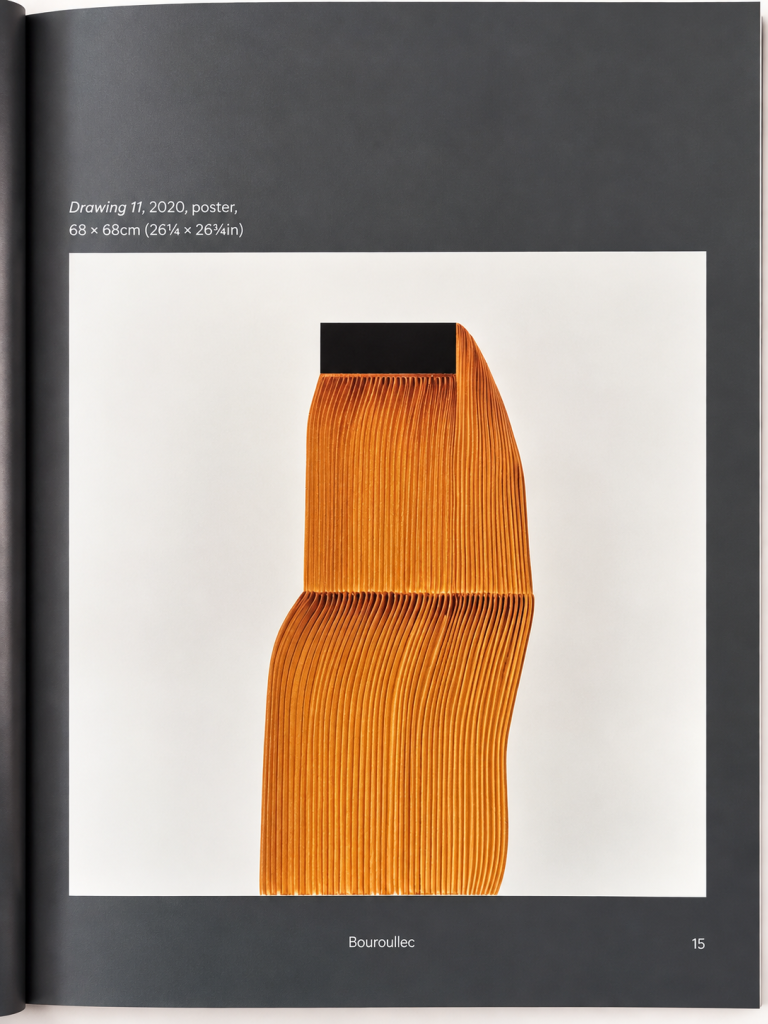
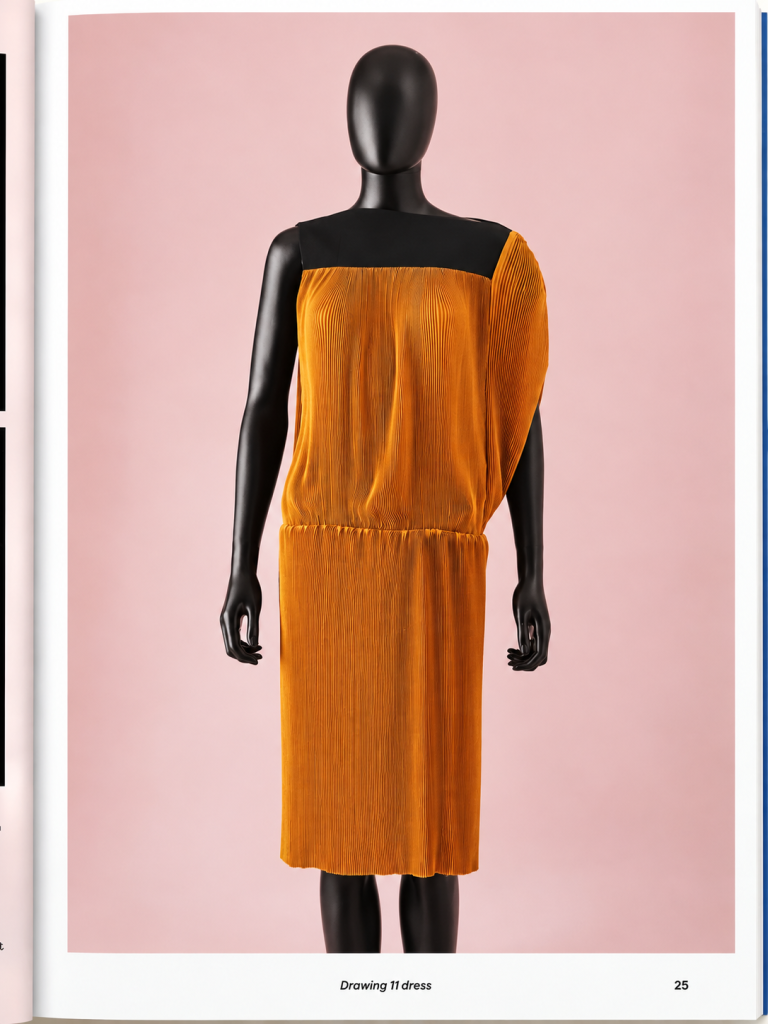
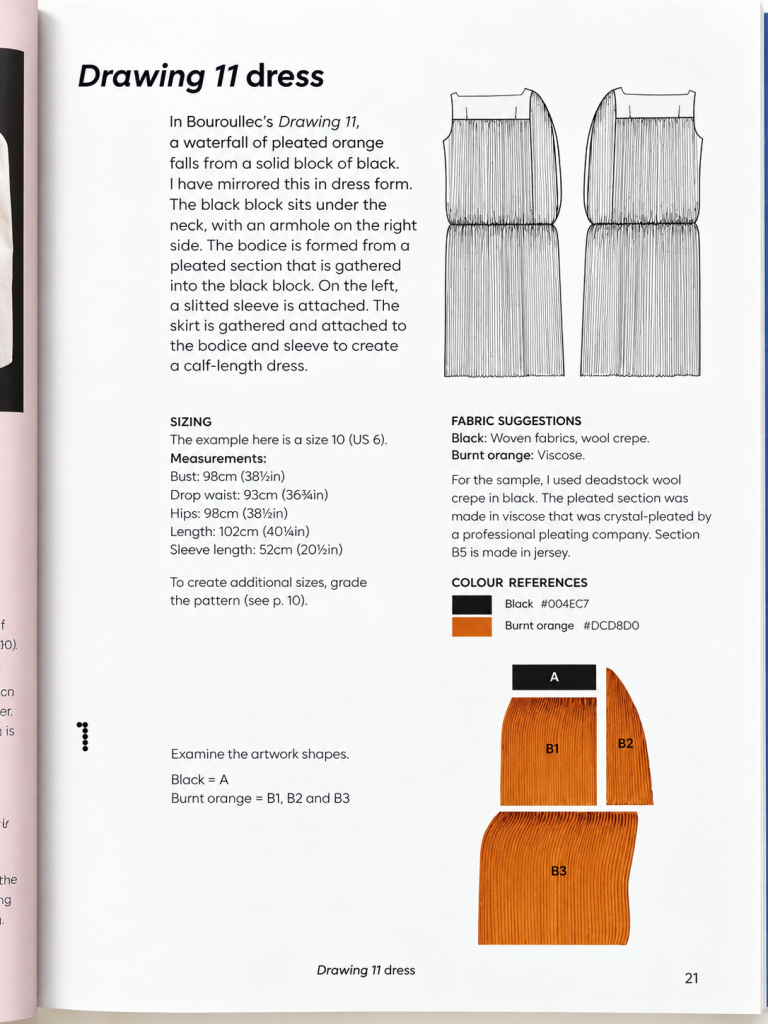
One example is Ronan Bouroullec’s „Drawing 11“, one of two Bouroullec projects that interpret the artwork instead of translating its shapes directly. It becomes an asymmetric dress whose pleats echo the brush stroke.
Pattern Cutting Deconstructed: good to know before you buy
The book does not contain ready-made, graded pattern pieces. It gives the measurements of the pieces for one example size, a UK 10 (US 6) for the Drawing 11 dress, and you draw them yourself. For other sizes, Omotoso uses the slash and spread method, with instructions via QR code. Some QR codes also lead to further designs. There are no sewing instructions, and advanced sewing skills are taken for granted.
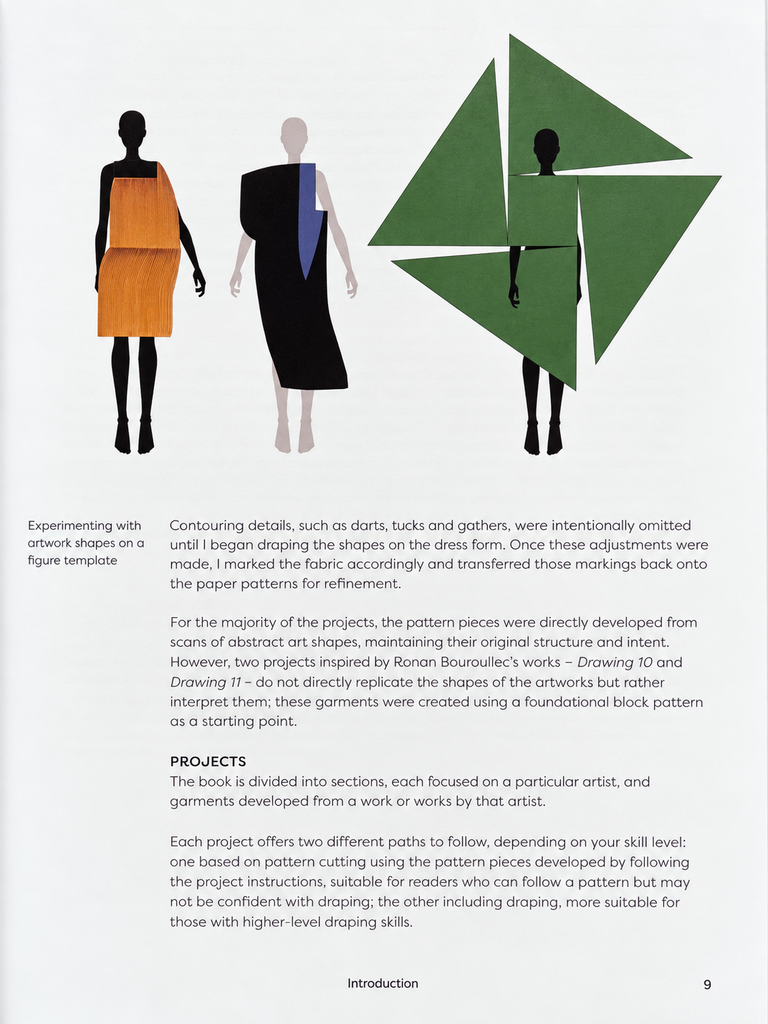
For me, the book is less a collection of finished patterns than an invitation to turn artworks into fashion yourself and to think beyond the book. Independent of the book, Omotoso also runs the platform „Pattern Cutting Deconstructed“, with courses, further content and video tutorials.
Who this book is for
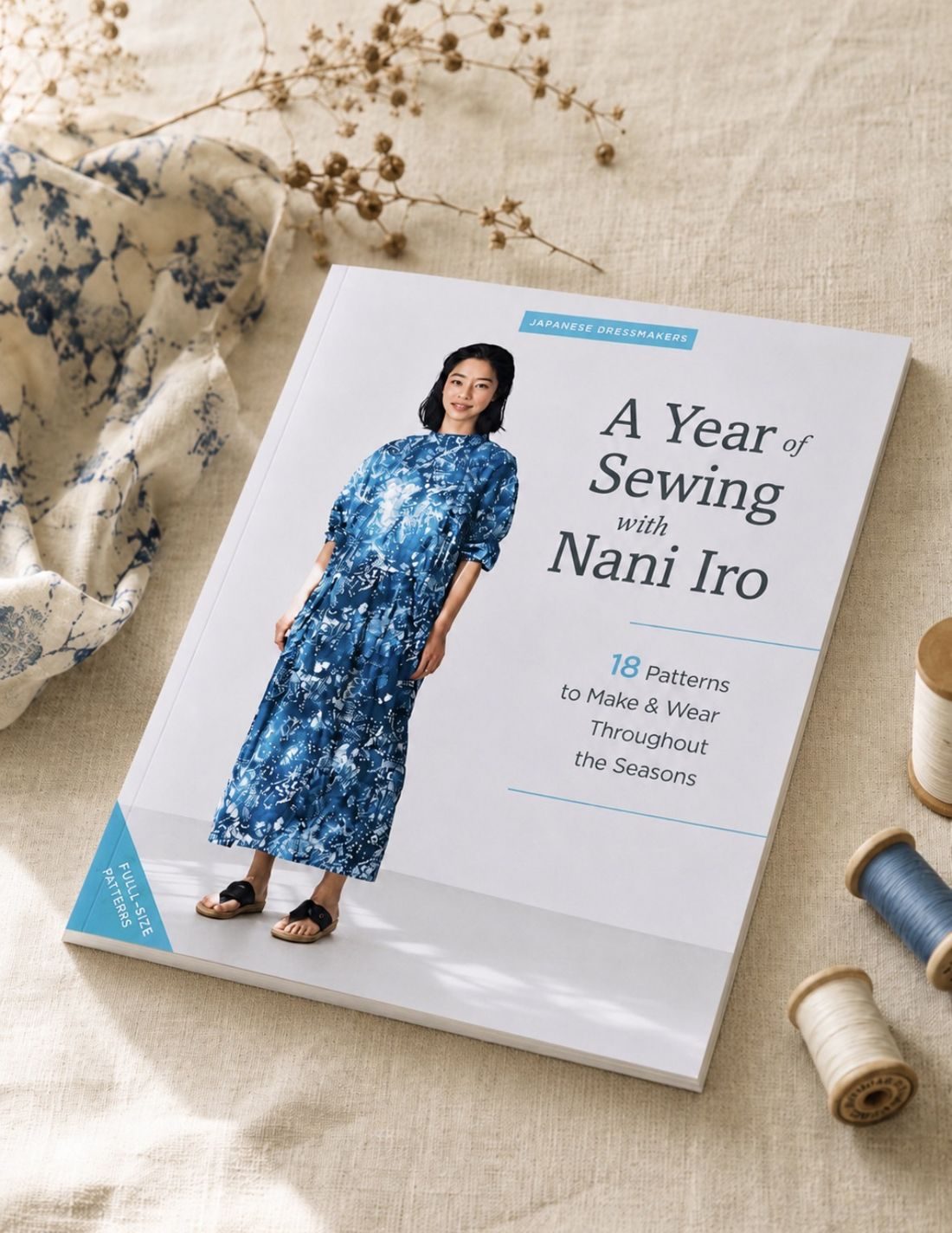
If you are looking for ready-made patterns with sewing instructions, this is not the right book. If you are learning pattern cutting, like to drape, or want to experiment, you will find plenty to think about. If you are drawn to the link between textiles, art and clothes, I also reviewed A Year of Sewing with Nani Iro, a book that starts with the fabric.
What I take from it
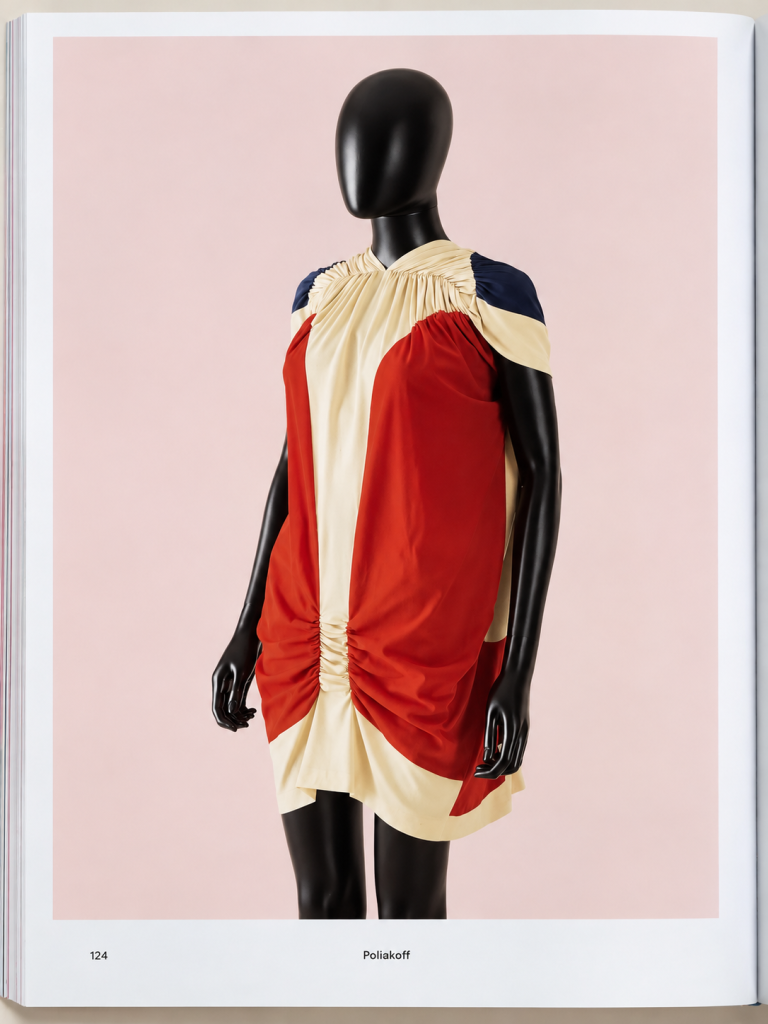
Several of the projects spoke to me. I would like to sew this dress, inspired by a work from Serge Poliakoff, though I expect it to be a bigger challenge for me. I like the academic approach, and I am learning pattern cutting myself at the moment, so I want to spend more time with it.
Book details
Pattern Cutting Deconstructed: Wearable Art
Monisola Omotoso
Laurence King, 2025
135 pages
ISBN 978-1-529-43098-1
Thank you to Laurence King for sending me a review copy of the book.
This post contains affiliate links (Amazon). If you buy through them, I earn a small commission at no extra cost to you — and it helps support the content I create here. All opinions are my own.